

Rule Jiusitsu
Music When the Lights Come On

Dear Billy,
Don’t break your own boundaries.
Ask yourself if thoughts and feelings are rooted in the present reality or if they are rooted in past worries or future predictions. Thoughts and feelings lead to action. You want the present reality to be the base for your action.
And Billy keep noticing when you are feeling an emotion that you need to talk about. Validate it, then voice it. Hardest, defend it with an open mind.
You may find out you are wrong, but at least you will maintain self-respect.
Warm fishes,
Your Self
Julian Date One Month Ago
Today’s date is 09-Jan-2026 (UTC).
Today’s Julian Date is 26009.
Julian Day Number: 2461050.23791
Content
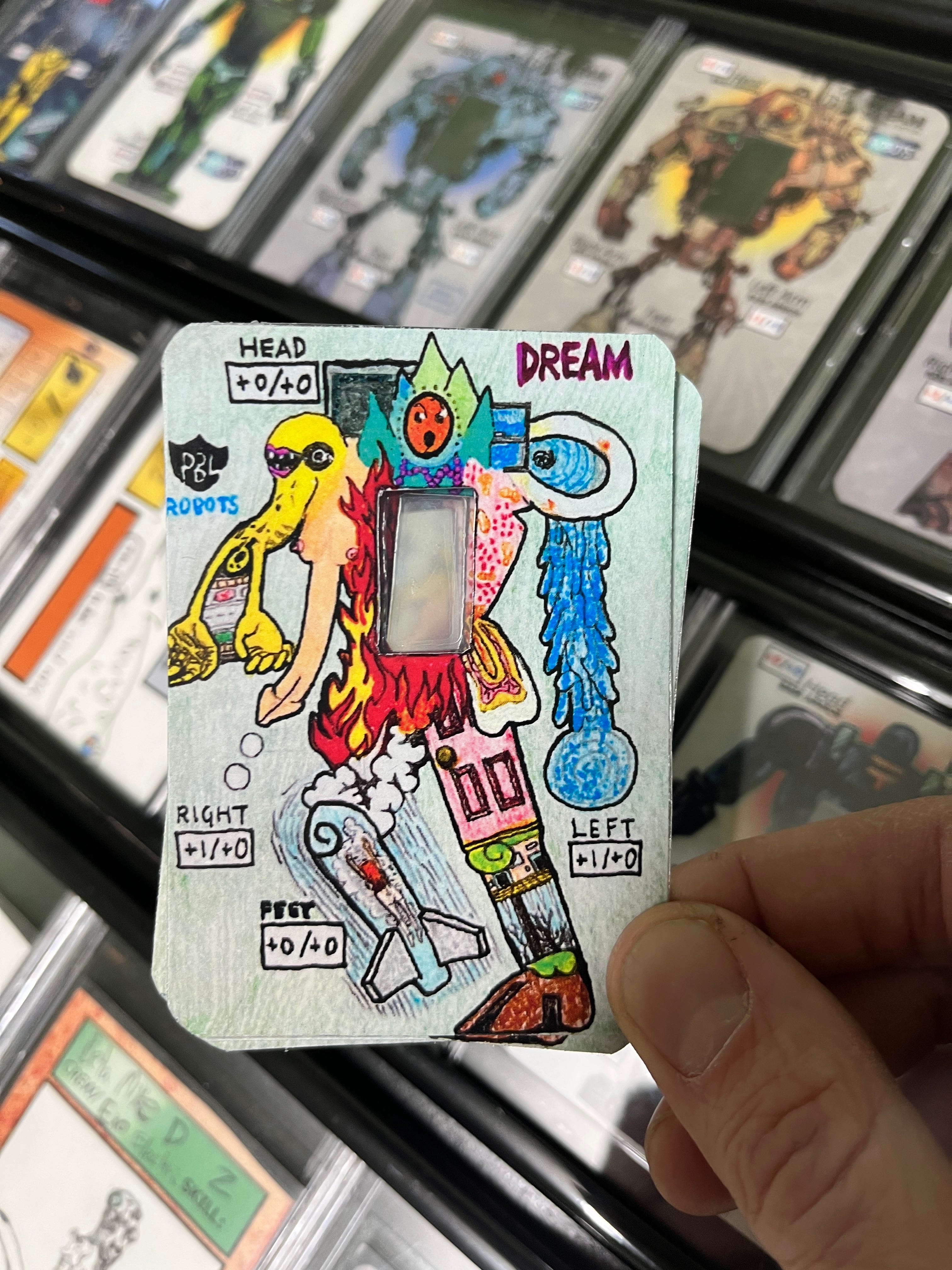
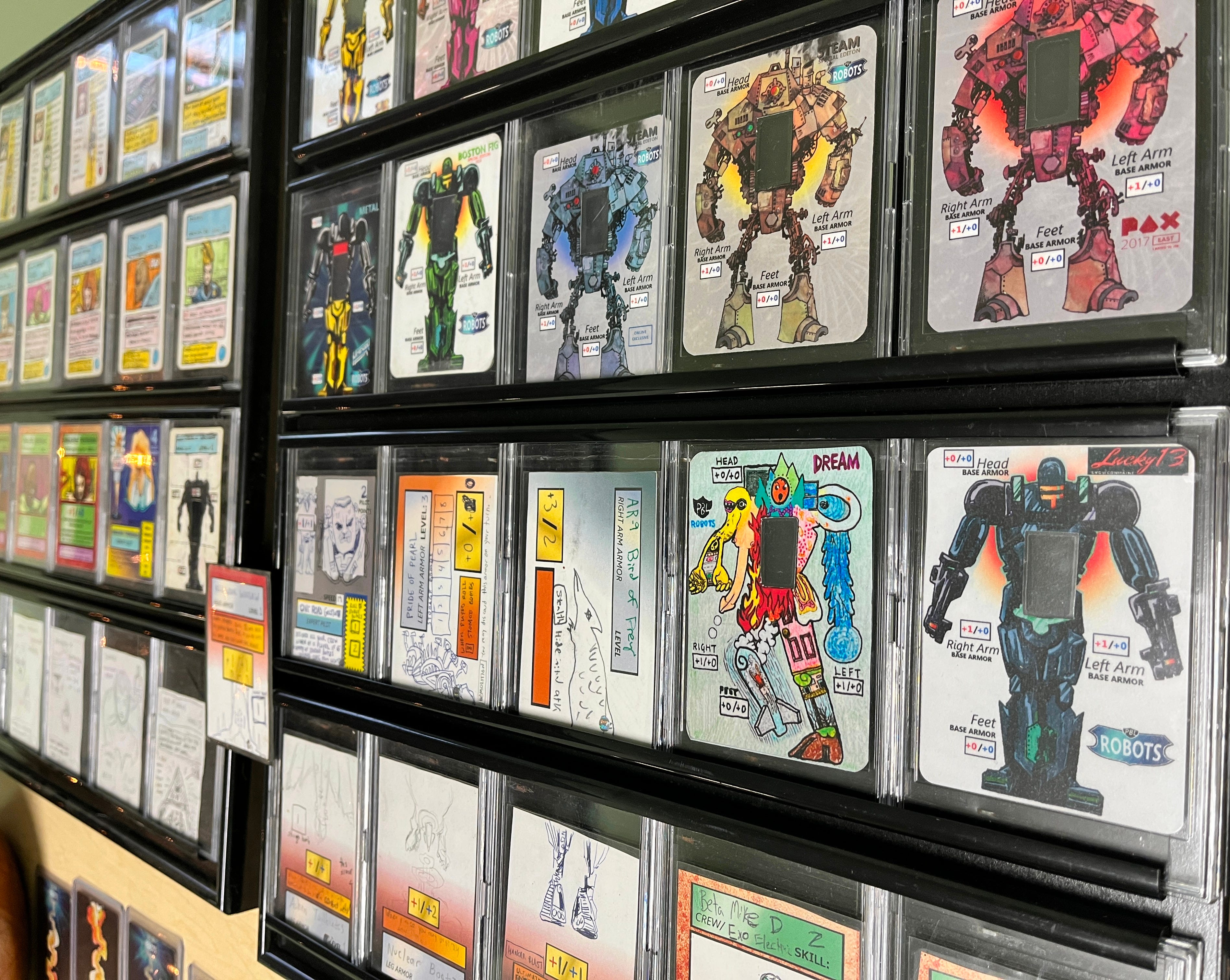
G.I. Woes and a PBL Robot’s Dream
Serafini and the Codex
Don’t Break Your Own Boundaries
Boys Don’t Cry
Gender roles and people-pleasing
Reefer, like Weed
G.I. Woes and PBL Robot’s Dream
Serafini and the Codex
“Art is lies. So lies are art too. I thought of a new way of doing art—by spreading lies about people ((twinkle in eye)).” —John Silas
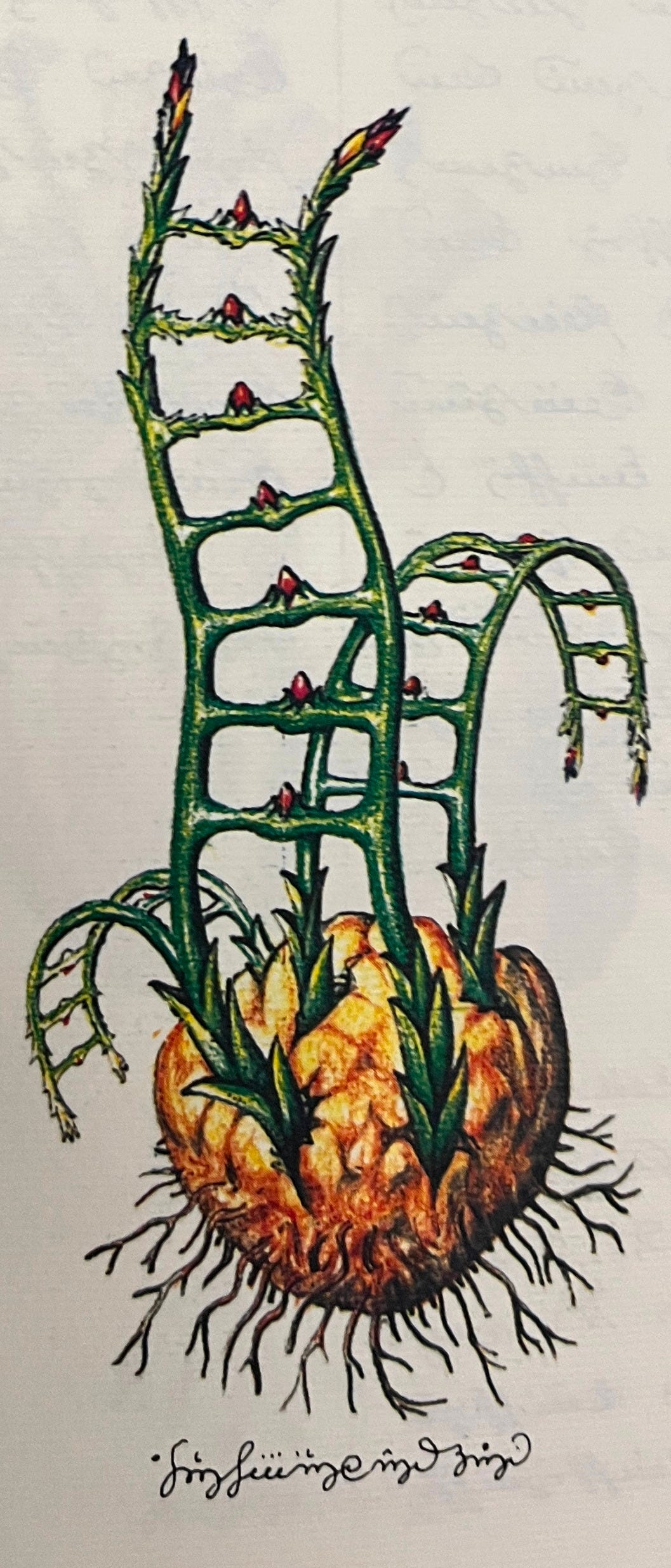
There is an art book called Codex Seraphinianus. It’s incredible! The artist made up flora and fauna for an entire imaginary planet. The author describes in its companion document Decodex that he wanted to create the feeling of being a pre-literate child and finding the text and images in books mysterious and strange. Then he tells the story of a stray cat he adopted during the process who he attributes the content of the book.
Don’t Break Your Own Boundaries
I am an easygoing guy. I avoid upsetting people, I like to be on decent terms with everyone. I am a people-pleaser. This even applies to people who do not care whether I live or die. I often break my own boundaries as a result of this personality trait and often sacrifice my own comfort for the comfort of others.
People-pleasing is a defense mechanism. Always monitoring others to see if they are pleased with you is a way to protect against feeling vulnerable to displeasure or differences. It is a defense mechanism which does not do much defending. It leaves you open to those who take advantage.
When I can’t tell how others feel, it makes me feel vulnerable. As a result, I check in with other people to see how they are. If they are feeling negative, I try to help. It gives me a sense of control if I am on good terms with others, and they can attribute pleasure or help to me. It makes me feel like others will be on my side, that they will protect or help me when I am in need, because I help them. This is a dangerous proposition, to expect everyone to treat you how you treat them, and act the same way.
Don’t people treat you how you teach them to treat you? Or how you treat yourself?
Obtaining control or a sense of it is a common reason for doing any behavior. Yet there are many limits to control. There is no guarantee that your behavior will result in the predictable behavior of other humans. When faced with people-pleasing behavior, you leave yourself open to people’s whims. They might betray you, disregard you, use you, or gaslight you into thinking whatever they want.
People-pleasers start from a position of submission, using the approval of others to guide their actions. As a people-pleaser you may find that a relationship you thought was good for you was draining all the life out of you, and leaving you little. This draining is a result of not knowing how you feel, not saying it, or not standing up for it, or remaining confident.
The fact is, people-pleasing becomes a type of manipulation with the frame of generosity. And it’s an unsafe behavior, because no one can trust you to advocate for yourself. After a while, people-pleasing morphs and picks up other defense mechanisms. I for one tend to distance myself from others when I fail to advocate for myself. I won’t have to feel hurt, and I won’t have to lose people.
When I am in love, in a friendship, or at work, I want to please, impress, delight, be useful, be fun, contribute and satisfy. I hear myself saying things like, “Oh, that’s okay, no problem,” and looking for ways to be liked more and more even after I already am.
All of this internal stormy weather over people-pleasing does not actually translate into pleasing people.
My worries and people-pleasing cause me to do a thing even when I don’t want to. Even though I have told no one else what I’m feeling, if I don’t feel appreciated for doing what I didn’t want to do, I end up holding resentment like something was forced onto me. Then the resentment doesn’t align with reality. And I will still want to be agreeable, even if I am mad or need to make boundaries. Sometimes getting along with no-one comes disguised as getting along with everyone.
I might not let it be known when something displeases me. It can feel scary to make disagreeable feelings and preferences known. And that disconnects me. This can drag on, bottled up for years. I might completely stop talking to someone when I avoid having a conflict with them. Why the fuck is it called people-pleasing?
What happens when you don’t stand up for yourself is that people can see you however they see fit. Treating yourself and your needs and wants with no establishment of terms, and a lack of boundaries can teach others to do the same to you. It is hard to respect the word or boundaries of someone who does not respect their own word or boundaries. It’s a good-hearted person who will attempt to treat you better than you treat yourself.
Alienating others can happen whether you stand up for yourself or pretend to go along. It is better to stand up for yourself and your opinions, likes and dislikes, so that you can surround yourself with decisions, words and people that connect you with yourself. The simplicity!!!
You alienate yourself from yourself when you do the opposite of what you think you should do. You also alienate yourself from yourself when you do what you think someone else expects only to please them. Check in to see what you want and how you feel, and then make it known. If others don’t like it, that’s their issue.’
Self-alienation is a dangerous beast. When I do or say something I did not want to, I feel ashamed. Self-disgust then joins in for the bullying. Gaslighting works good on someone who bullies themselves, because they are used to questioning themselves. I will feel like I can’t have relationships with anyone, that I am a bad person, that I am broken, a jerk, disgusting.
Emotions exist for good reasons. Raising my voice to defend myself with anger can seem aggressive and childish. Though I have a tenuous relationship to my own anger, I can acknowledge it serves to protect me.
There are ways for me to circumvent this negativity. Lately, I seem to have the experience and maturity to reflect on those skills and their sources.
One way I have always channeled the internal storm surge I generate in everyday operations is by writing poetry, illustrations, and through music (listening and now, making). Another way is Deep Listening™—noticing my surroundings and feeling present, checking my anxiety and worry against the signals coming in from around me.
These days when I experience the above, I often ask myself: are these negative feelings coming from predictions or worries? Can these be verified, or are they imagined? Is there something I haven’t said that needs to be said? Has anything angered me?
Today I said to myself about 18 times, “don’t break your own boundaries!” These days I can calm myself down with great speed, and not let my mind spiral into the pits of hell.
When we don’t know what lies ahead, that’s when we’re the most anxious. Not knowing what lies ahead is pretty much true for most of our lives. All the more reason to enjoy life for what it is, and hope for the best. You’ve gotta expect to be anxious. Fear and insecurities are thy light.
-Billy Halibut
Maybe my personal reflections, challenges and solutions are things you will relate to, reader. Perhaps you may even find inspiration or guidance in them. I know that I will be coming back to read this reflection!
Edit: One month later. Holy shit, this was useful to read today! I’ve had anxiety for about the last three weeks because of people-pleasing.
Boys Don’t Cry
Women have had to fight for their rights for a long, long time.
Women are often the recipients and observers of human society, because it’s more acceptable to curtail their freedom and exert control over them than men. Women have to navigate men and men’s realities. Women are often held to a higher standard of behavior than men, and their actions, words and thoughts are viewed differently in public.
In the traditional husband and wife view, men and women are expected to sacrifice in certain ways. There are gender roles that prescribe what you are meant to do. These expectations are often communicated nonverbally through role modeling, lecturing, rules, and public opinions. And it is expected in general that everyone follow them.
Going outside these norms can be very provocative. These provocations of difference often give people big feelings. Those feelings might be excitement, discomfort, violence or obsession.
In our culture, men don’t cry and they don’t share their emotions, thoughts, insecurities, vulnerabilities except with a partner. In our culture, mens’ vulnerable feelings are stifled. Stifled feelings are often clunky, inexperienced, and can be maladaptive or dangerous. There are a lot of lonely men, a lot of men who cannot express themselves in a safe or healthy way.
The people who must navigate this side of the lives of men are the romantic and sexual partners of men, the objects of their desires. They have to become skilled at turning aside and managing men of all sorts: strangers, friends, lovers, partners, et cetera. Those that men partner with or sleep with are often expected to soothe, comfort, take care of, have sex with, tend to their needs, etc, without challenging their vulnerabilities.
Women have little safety in even a safe American city. They aren’t supposed to walk alone. They are supposed to guard themselves against others. If something bad happens to them, they are often blamed for not ‘following guidance’. Then if they don’t manage their lives according to gender roles and what’s traditionally expected of them, they are shamed.
Women are more unsafe in a place that has no strong community. They can become targets for frustration, desires, etc., even in a safe place. It’s even more unsafe when there are no other voices—when it’s a man against a woman’s word, the man’s still regularly is listened to first. And if women try to seek justice, it can expose them to more abuse, or trauma. (Statistics on violence towards women- here and here).
This tolerance of violence towards women, and people who break gender roles in general, is unfair and unjust. Huge factors that keep these violences in place are the gender role expectations of men.
Men’s stifling role in our society is similar to the stifling role of women, even though it comes with harshly unequal power. Men can be horrifically repressed or pigeon-holed by their role. They often do not gain maturity or good coping skills, and are often left alone to continue making maladaptive choices with no punishment, no correction, and no care. Men are left alone to be how they are, and yet they are expected to act a certain way.
Men are regularly compared against the standards of their gender role. If they are found wanting: too poor, too stupid, impotent, not confident, not assertive, don’t take what they want. Men are urged to be more productive, plan better, work smarter, climb the ladder, sleep with more people, remain faithful and supportive. They’re expected to dedicate their lives to providing for a family and contributing to society. If they do these things, they are forgiven over and over again for maladaptive beahvior.
There are many men who can’t live up to standards for their gender role. Not being able to live up to an impossible standard creates frustration and shame. They end up blaming themselves, doubting their own self-worth. On top of it, they have few psychologically safe outlets outside of mainstream culture. If someone is too neurodivergent to fit a role, even fewer people will move to support them in a healthy way. They’ll just tell you, “complaining? that’s what the bar’s for!”.
Gender roles and people-pleasing
I developed a people-pleasing tendency in part because I hold myself to a high standard for behavior, apart from the typical expectations for a man. I want people to know they can talk to me, can share their vulnerability, thoughts and ideas, and to make sure things are fair and that community justice is done. There are a lot of odd problems to navigate with an ethic like that.
I have come to realize that despite cultivating for myself an identity that defies traditional gender roles, I does not change that I am a man. People learn to deal with or navigate around me.
Since I am sexually straight, I have a lot of privilege when compared to other neurodivergent and other non-binary individuals. Yet, a lot of unspoken gender role baggage travels along with being straight.
One of the most important realizations I had of late was that I was trying to model behavior and expecting behavior from partners that was based on an imaginary ideal. The ideal was cooked up in my imagination when I pictured my mom’s parent’s relationship. Over time I have discovered that my fantasy was not accurate.
Among other things, people-pleasing can become a problem for those I form relationships with. It can become a wall that pushes people away who try to love me. They start out loving me for who I am, and I transform under observation into someone who tries to guess what they would like better. Or I become a tool, molded into the shape that an abuser wants to use me for. Or I become cringing and child-like, not knowing how to please. Or else I retreat and hide.
And as what they would like or how they feel shifts and changes, the only constant is that I bend myself to block them by holding out on my true feelings. Even though I can reflect on this, it doesn’t stop me from doing it, and whoever gets involved with me will face it.
I feel that there is a social pressure for me as a man to protect others, and make them feel safe. I should avoid startling them, or making them feel intimidated. It feels like having a disagreement or difference of opinion will create a scene, and bring unwanted attention.
Traditionally, it’s not men’s prescribed responsibility to tell others how they feel or what they think. It’s not expected that they take responsibility for their behavior or feelings, or to improve them so that they treat others better. Often, people just move on, and no mechanism pushes them to grow.
Society is structured in such a way that no one has to care about a man unless they want to. Women get attention and interest from strangers: they get hit on, they get harassed—their time and attention can be forcibly taken when solicitation doesn’t work. But—do you remember the names of the men who sell you groceries, fix your car?
Often men do their best to studiously ignore other men unless they have some reason to know them, or happen to develop a friendship through a relationship or group, like sports. Perhaps there’s banter, jokes, and catch-up but not much intimacy.
Just today I learned the names of three guys working at the auto-shop I brought my car to. Scott, Adam, and Sam. I made a point to remember them and acknowledge their humanities. I tried to get past their professional barriers with jokes, and being open about my thoughts. It felt exciting and odd. For men, what’s the point of learning people’s names or identities when you don’t exist in the same social group and don’t have to deal with their advances?
In Portland, Maine, there’s a community and people I see regularly, but there are still many I will never get to know. It is rare to have a community that cares about itself—that checks in with its members and keeps track of the interplay of many interacting figures.
There is a steep climb to scale if one wants to find a way to reduce the pressure and destruction that we all must suffer at the hands of unexamined tradition. That makes it all the more beautiful when there are people with the energy and bounty of spirit to fight and who refuse to settle.
I love those people who hold themselves up to a humanistic standard that respects the humanity and intrinsic similarity between all people (see Doom Bluegrass for more on that).
So men, how can we improve this situation?
I suggest crying and talking in public, saying what you feel right away, learning people’s names, find out how people are REALLY doing, being honest about your feelings, leaning into each other’s humanity.
We can please others and ourselves by saying aloud to all kinds of people what bothers us and how we feel when we think it, by being honest. We can make it okay for others to do so by trying it. If men witness enough other men around them sharing intimacy, then maybe we can protect more people from its worst vices.
p.s. I feel like shit, and it’s been bitterly cold out for too long.
Reefer, like Weed
Dopethrone is a great album by Electric Wizard. Dopesmoker is a great album by Sleep. Special Herbs is my favorite instrumentals set by MF DOOM.
I am a stoner, and I admit it! I ingest swamp broccoli morning, afternoon, and night. It’s my medicine.
When I was straightedge as a teenager, I would lecture people about drinking and drugs like a little DARE teacher’s pet. These days I am the pet of greener dares.
At first I was ashamed to admit it, to need chemical support. If you are like me, you might need reassurance that your choices are okay. If one of your choices is to be a stoner, or to take meds that help even out your brain chemistry, I say it’s okay!!
I smoked weed legally in Maine once it was possible to do so. I went to a nurse-practicioner who was specializing in diagnosing marijuana scripts. I offered my anxiety, my depression, and my irritable bowel syndrome as evidence. I was approved.
Lately, I have been canvassing people who suffer from outsize anxiety and emotional disregulation to find out what they do. The ones I asked take anxiety medication, or a mood stabalizer. Everyone seems to do therapy.
I wonder if I should switch. Weed works for the most part, but it sure doesn’t teach you new skills for managing your life better, and it really does not help the memory.
You deserve to be treated with care and gentleness. I am so proud of you walking through these hard things. Society (and life) don’t make it easy. But you are Deep Listening to yourself and your inner child, and that is a beautiful thing to see.